The Future of Access Control: How Smart Lock Technology Is Revolutionizing Home Security
In an era where convenience meets security, smart lock technology has emerged as a game-changer in home protection systems. These advanced locks offer users unprecedented control over their entry points through smartphone integration, biometric authentication, and real-time monitoring capabilities.
The evolution from traditional mechanical keys to digital access solutions reflects broader trends in technological advancement. As cybersecurity threats grow increasingly sophisticated, homeowners are turning to intelligent locking mechanisms that provide not only enhanced security but also seamless user experiences tailored to modern lifestyles.
Understanding the Core Components of Modern Smart Locks
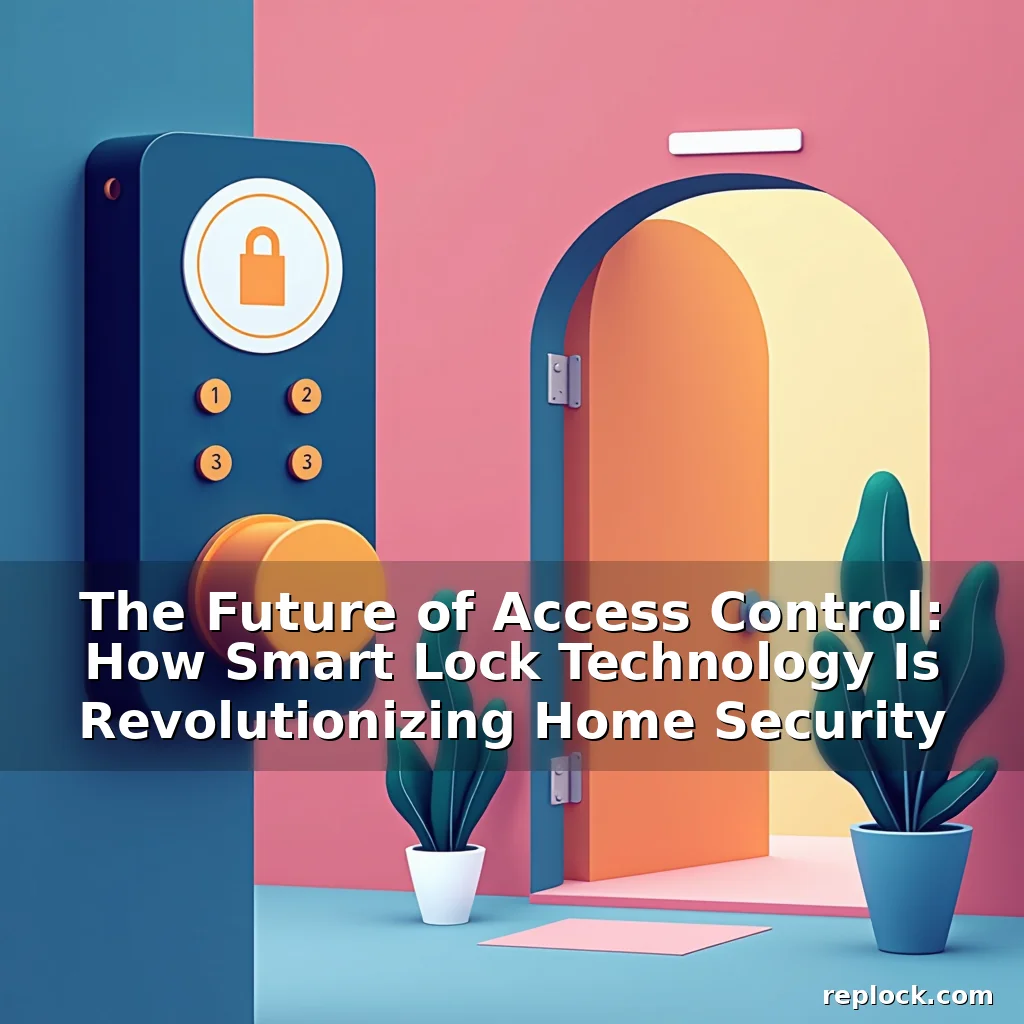
A typical smart lock system consists of several key components working together harmoniously to ensure both functionality and reliability. At its core lies an electronic deadbolt mechanism that replaces conventional metal parts with digitally controlled actuators capable of precise movements.
This actuator system is powered by either internal batteries or direct electrical connections, allowing for consistent operation without frequent replacements. The choice between these power sources often depends on installation preferences and environmental factors affecting battery life expectancy.
- Battery-Powered Models: Ideal for retrofitting existing door hardware while offering flexibility in placement and ease of maintenance.
- Hardwired Systems: Provide continuous power supply through permanent wiring integrated during new construction phases or major renovations.
Complementing these physical elements are various interface options such as touchscreens, keypad panels, and mobile applications enabling remote management features. Users can customize settings ranging from temporary guest codes to automated unlocking schedules based on daily routines.
Additionally, many contemporary models incorporate sensors detecting tampering attempts or unusual activity patterns around the lock area. This proactive approach enhances overall safety measures beyond standard mechanical safeguards traditionally associated with residential doors.
Evolution of Smart Lock Technology Through Time
The journey towards today’s cutting-edge smart lock solutions began decades ago with early experiments involving magnetic card readers used primarily within commercial buildings for restricted access zones. Over time, advancements in microelectronics allowed manufacturers to miniaturize complex circuitry required for secure data transmission protocols essential for reliable function.
By the late 1990s, basic electronic locks started appearing on consumer markets although they were limited mainly due to high costs and technical limitations compared to conventional keyed entries available at that period. However, rapid progress in wireless communication standards like Bluetooth Low Energy (BLE) significantly improved connectivity possibilities paving way for more interactive user interfaces.
A pivotal moment came when companies introduced Wi-Fi enabled locks incorporating cloud-based services which opened up entire new dimensions regarding remote accessibility and centralized administration across multiple properties simultaneously. This innovation marked transition from standalone devices toward interconnected ecosystems compatible with other IoT appliances found inside homes nowadays.
Recent years have witnessed further refinements including facial recognition algorithms becoming commonplace alongside fingerprint scanners providing dual-layer verification methods ensuring higher levels authenticity checks before granting access permissions automatically.
Security Features That Define Contemporary Smart Locks
Modern smart locks employ multi-factor authentication techniques combining something you know (password), something you possess (device token), and sometimes even biological characteristics (biometrics). Such layered approaches make unauthorized intrusion exponentially harder than simple pin code entries previously relied upon extensively.
Cryptographic encryption plays vital role protecting sensitive information exchanged between lock units and connected platforms preventing potential interception attacks aiming exploit vulnerabilities inherent within unsecured networks.
Most reputable brands implement AES-256 bit encryption standard considered industry benchmark securing financial transactions globally making them suitable candidates handling personal identification records safely stored remotely.
Regular firmware updates released periodically address emerging threats keeping product longevity intact against evolving cyber risks threatening digital infrastructure everywhere including residential environments now heavily dependent upon internet-connected gadgets.
Some premium variants feature anti-tamper alerts sending instant notifications via email/SMS whenever suspicious behaviors detected near vicinity indicating possible forced entry attempts being thwarted effectively thanks built-in motion detectors embedded strategically along perimeter areas surrounding target locations.
Moreover, two-step verification processes add another layer defense requiring confirmation steps prior full authorization granted thereby minimizing chances accidental unlocks caused human errors or malicious software trying mimic legitimate usage scenarios.
Diverse Applications Beyond Residential Doors
While initially designed primarily for household use cases, smart lock technology rapidly expanded application scope covering commercial spaces too. Businesses benefit immensely from automated check-ins reducing manual labor involved managing employee access controls manually day after day.
Hospitals utilize these systems ensuring critical areas remain strictly protected restricting non-medical personnel movement limiting exposure risk related contagious diseases spreading among staff members potentially endangered otherwise.
Educational institutions take advantage implementing visitor registration portals linked directly onto campus gates simplifying enrollment procedures eliminating need handwritten logs prone inaccuracies leading confusion later stages processing attendance records accurately.
Gated communities adopt similar principles regulating vehicular traffic efficiently tracking vehicles entering exiting premises using license plate recognition technologies combined RFID transponders affixed automobiles identifying occupants instantly granting passage accordingly without human intervention required whatsoever.
Industrial facilities leverage robust versions engineered withstand harsh conditions prevalent manufacturing plants exposed extreme temperatures humidity levels fluctuating frequently impacting operational efficiency adversely unless adequate protective measures implemented beforehand.
Public transportation hubs integrate biometric scanning stations verifying passengers credentials quickly streamlining boarding processes saving precious minutes every single trip contributing overall improvement customer satisfaction metrics crucial maintaining competitive edge transport sectors worldwide.
User Experience Enhancements Shaping Adoption Rates
One significant factor driving widespread acceptance amongst consumers revolves around intuitive design aspects facilitating effortless interaction regardless age demographic groups encountered regularly within society today.
Simplified setup procedures minimize frustration experienced initial configuration phase helping individuals unfamiliar tech jargon navigate through necessary steps successfully without assistance external resources usually required traditional installations demanding specialized knowledge electricians plumbers etcetera.
Voice command compatibility adds extra convenience particularly benefiting elderly populations suffering declining motor skills impairments hindering ability operate physical buttons reliably consistently anymore.
Customizable notification settings allow personalized alerts concerning specific events occurring anywhere property monitored giving peace mind knowing exactly what happening surroundings anytime convenient location chosen personally preferred method receiving messages whether text message push alert whichever suits best individual lifestyle choices.
Integration with popular virtual assistants like Amazon Alexa Google Assistant Apple Siri enables hands-free operations executing commands verbally instead physically manipulating switches levers commonly found conventional locking mechanisms still dominating market despite gradual shift favor newer alternatives promising greater benefits long term perspective.
Fully automatic unlocking functions activated proximity sensors detect presence owners approaching doorway triggering release mechanism seamlessly opening path without needing touch anything else merely stepping closer sufficient distance triggering action pre-programmed earlier established parameters.
Environmental Impact Considerations
Smart lock adoption raises questions about sustainability impact associated production distribution consumption lifecycle products involved therein warranting careful examination determine net positive effect planet earth future generations inherit.
Manufacturers strive reduce carbon footprints utilizing eco-friendly materials sourcing responsibly harvested wood metals recycled wherever feasible decreasing reliance virgin resources contributing global efforts combat climate change issues escalating urgency recent years.
Batteries constitute notable concern due frequent replacement cycles necessitated regular charging periods depending model type selected purchasing decisions influenced strongly durability expectations held buyers anticipating prolonged service lifespans minimizing waste generated packaging disposal processes inevitably follow.
To mitigate negative consequences arising improper disposal spent cells containing toxic chemicals hazardous environment wildlife alike initiatives promoting recycling programs encouraging return old batteries designated collection centers designated specifically purpose curbing pollution risks posed careless discarding practices currently rampant urban areas lacking sufficient awareness regulations governing correct handling procedures.
Energy-efficient designs prioritize low-power processors optimizing performance minimal energy expenditure prolonging battery longevity ultimately lessening frequency replacements required sustaining longer intervals between recharging sessions enhancing user experience concurrently reducing ecological footprint associated device ownership overall.
Furthermore, modular construction allows easy component upgrades rather replacing entire units whenever newer versions released ensuring legacy models continue functional relevance extending useful lives considerably exceeding initial estimates projected launch dates originally advertised marketing campaigns targeting prospective customers seeking value propositions balancing cost-effectiveness environmental consciousness simultaneously.
Potential Challenges Facing Widespread Implementation
Despite numerous advantages presented smart lock implementations, certain obstacles persist impeding universal adoption rates expected soon become normative standard practice replacing outdated methodologies completely overnight.
Main challenge resides vulnerability network infrastructures supporting communications backbone relying cellular signals Wi-Fi connections susceptible disruptions causing intermittent failures compromising reliability assurances promised advertisements promotional material highlighting superior functionalities available exclusively stable uninterrupted connections maintained continuously throughout duration service provision.
Power outages pose additional threat disrupting normal functioning operations reliant electricity supply lines suddenly interrupted leaving households vulnerable breaches occur absence fail-safe mechanisms activated automatically restore minimum level protection during emergencies requiring immediate response actions taken swiftly prevent damage escalation situations worsening unpredictably.
Data privacy concerns surface prominently especially jurisdictions stringent regulations governing personal information handling storage transmitting electronically sensitive data traverses cyberspace risking interception decryption attempts carried hackers motivated illicit purposes exploiting weaknesses existent defenses protecting confidential contents contained databases servers hosting user profiles transaction histories behavioral analytics collected systematically analyzing patterns predicting potential threats ahead schedule.
Installation complexity varies widely depending architectural structures existing door frames requiring custom fittings modifying original configurations possibly involving drilling holes altering structural integrity inviting legal complications unless properly authorized permits obtained municipal authorities overseeing building modifications adhering local ordinances governing alterations performed private residences public edifices alike.
Last but certainly not least, price sensitivity remains considerable barrier deterring budget-conscious consumers preferring economical alternatives conventional mechanical counterparts offering comparable security features albeit lacking digital enhancements appreciated enthusiasts embracing latest innovations eagerly awaiting next generation developments anticipated imminent horizon.
Future Innovations Driving Next Generation Smart Locks
Ongoing research focuses improving biometric accuracy reducing false positives negatives occurrences ensuring authentic identities verified correctly every attempt made access secured areas irrespective ambient lighting conditions varying greatly depending geographical locations visited frequently.
Advances artificial intelligence machine learning enable predictive modeling anticipate potential security breaches analyzing historical data recognizing anomalous activities flagging irregularities promptly notifying appropriate parties initiating countermeasures mitigating harm inflicted before escalation occurs beyond manageable thresholds.
Blockchain technology introduces decentralized ledger systems storing encrypted logs immutable audit trails documenting every access event recorded chronologically preserving transparency accountability ensuring trustworthiness verifiability outcomes achieved through transparent processes accessible stakeholders concerned verifying legitimacy claims submitted disputable circumstances arise challenging credibility evidence provided adversaries attempting undermine validity results attained supposedly compromised systems.
Nanotechnology promises development ultra-thin sensor layers embedded surfaces undetectable visually yet highly responsive reacting stimuli precisely delivering accurate readings surpassing current capabilities available commercially today marking breakthrough milestones reshaping expectations industry professionals envisioning limitless possibilities forthcoming eras dominated futuristic solutions addressing present limitations satisfactorily comprehensively.
Quantum computing may revolutionize cryptographic protections employed securing transmissions between devices central servers generating virtually unbreakable ciphers resistant brute force attacks employing quantum mechanics principles fundamentally different classical computational architectures utilized prevailing encryption schemes vulnerable theoretical advances threaten deprecate obsolete eventually.
Lastly, augmented reality interfaces could transform how users interact with their locks through immersive visualizations guiding step-by-step instructions installing configuring systems eliminating guesswork confusion typically encountered first-time users unfamiliar intricate procedures involved deploying smart solutions effectively optimally maximizing utility derived investments made acquiring state-of-the-art equipment intended enhance living conditions securely comfortably.
Conclusion
Smart lock technology represents transformative leap forward securing homes businesses alike merging convenience security requirements demanded modern world navigating ever-evolving challenges posed digitization proliferation Internet things expanding horizons unimaginable previously thought achievable solely science fiction novels depicting utopian societies governed self-regulating autonomous entities safeguarding citizens perpetually.
As we stand threshold exciting era defined convergence technological marvels practical applications everyday existence adopting smart locks signifies commitment embracing future ready adapt changes coming steadily transforming landscapes familiar once rendered static predictable now dynamic fluid responding demands dictated continuous innovation pushing boundaries knowledge exploration pursuit excellence continually refining solutions satisfying diverse needs heterogeneous population inhabiting globe today.

news is a contributor at RepLock.com. We are committed to providing well-researched, accurate, and valuable content to our readers.