Despite confidence in cybersecurity, 57% of organizations faced major incidents last year. Limited IT visibility and slow investigations are key challenges. Automation is rising, with 46% automating over half of their TDIR workflow. This report provides insights into threat detection, investigation, and response. Threat Detection and Response
| Challenge | Description |
| Limited IT visibility | Only monitoring 62% of IT environments, leaving 38% undetected |
| Slow investigations | Leading to delayed responses and increased damage |
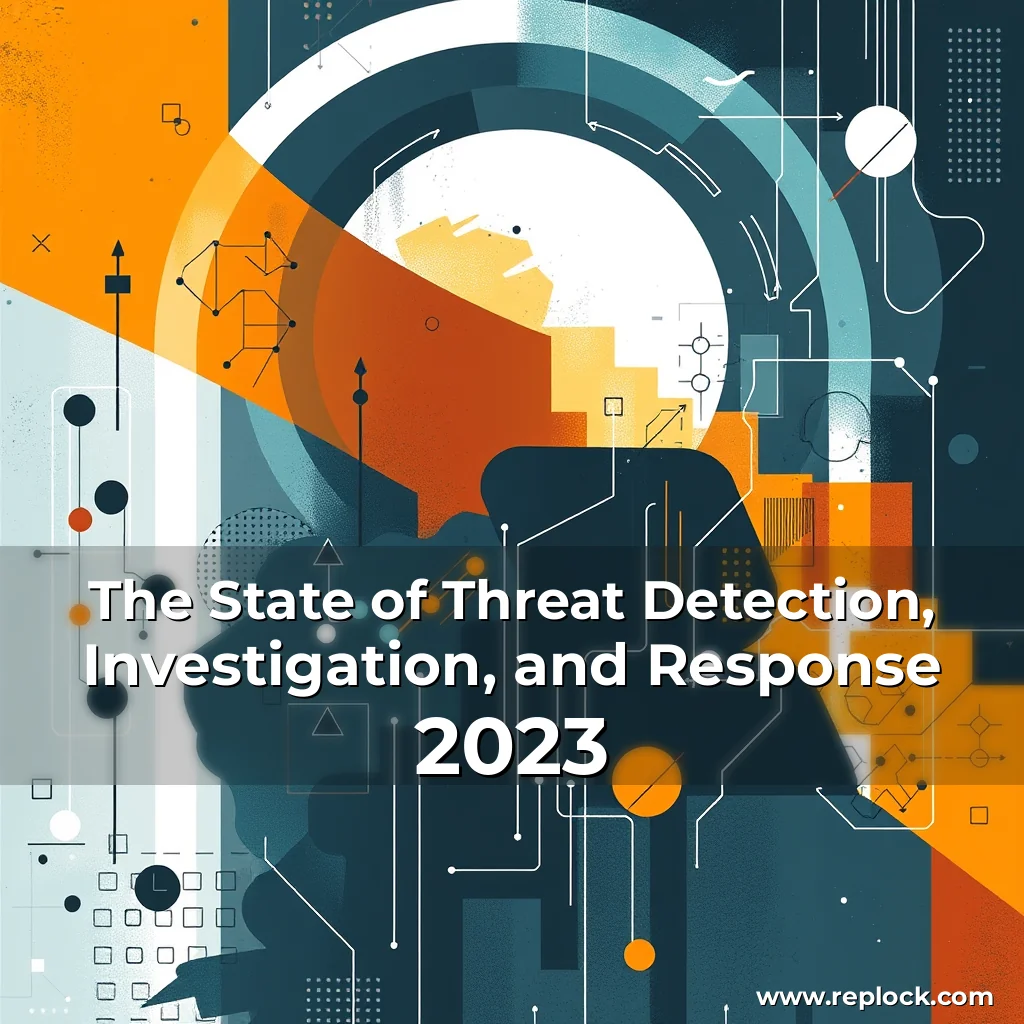
The State of Threat Detection, Investigation, and Response 2023 Asia/Pacific (Including Japan)
This report explores TDIR capabilities in Asia-Pacific, showing high confidence despite challenges. While 87% of organizations feel effective at threat detection, they monitor only 62% of IT environments. Automation is both a key benefit and top priority. Organizations in this region are taking proactive steps to improve their security postures. Key takeaways from the report:
- High confidence in threat detection, but limited IT visibility and slow investigations remain challenges
- Automation is rising, with 46% automating over half of their TDIR workflow
- Asia-Pacific organizations are taking proactive steps to improve their security postures
How Exabeam Solves for TDIR Challenges
Traditional security systems struggle to protect expanding digital environments. Exabeam addresses key detection, investigation, and response challenges with AI-driven automation that enhances visibility, speeds investigations, and identifies abnormal behavior. Benefits of using Exabeam:
- Enhanced visibility into IT environments
- Fast and efficient investigations
- Identification of abnormal behavior
The Ultimate Guide to Insider Threats
Insider threats pose security risks, whether malicious, negligent, or compromised. This guide explores detection strategies using AI, real-world examples, threat activities, and defense best practices. Learn how SIEM solutions establish behavioral baselines to spot anomalies early. Key takeaways from the guide:
- Insider threats can be detected using AI-powered SIEM solutions
- Behavioral baselines are essential for detecting anomalies
- Defense best practices are crucial for preventing insider threats
Aeroméxico Secures Critical Infrastructure and Protects Customers with Exabeam
Aeroméxico, Mexico’s flagship airline, chose Exabeam Fusion for its adaptable security operations platform. By implementing Exabeam, Aeroméxico improved its security posture and protected its critical infrastructure and customer experiences. Case study highlights:
- Aeroméxico improved its security posture using Exabeam Fusion
- Exabeam helped Aeroméxico protect its critical infrastructure and customer experiences
Four Emerging Phishing Techniques and How to Detect Them
The network perimeter has evolved, now existing wherever users are. This requires security to move with it, establishing protection at the point of access. Learn about emerging phishing techniques and effective detection methods to secure your environment in this white paper. Key takeaways from the white paper:
- Emerging phishing techniques require adaptive security measures
- Effective detection methods include AI-powered tools and behavioral analytics
Measuring and Improving Cyber Defense Using the MITRE ATT&CK Framework
The NIS2 Directive strengthens EU cybersecurity with stricter measures and reporting. This white paper details ten compliance steps, including risk assessments, incident response, and multi-factor authentication. Discover how to prepare for NIS2. Read the white paper for full guidance on compliance. Key takeaways from the white paper:
- The MITRE ATT&CK framework is essential for threat-informed defense
- Risk assessments and incident response are crucial for compliance
Closing the Critical Skills Gap for Modern and Effective Security Operations Centers (SOCs)
The SANS paper shows how and why security teams have low attrition but face skills gaps. For instance, cloud security skills are more sought after than network or endpoint security skillsets. Read the white paper to uncover strategies to build effective security operations teams and close these gaps. Key takeaways from the white paper:
- Security teams face skills gaps, particularly in cloud security
- Strategies include upskilling and reskilling existing security teams
Unlocking the Power of AI in Security Operations: A Primer
AI has evolved from basic programs to sophisticated tools that help and challenge security operations. While generative AI creates new threats, ML technologies like UEBA and SOAR offer effective security solutions. Read this white paper to understand AI’s role in cybersecurity and how to evaluate AI tools for your security operations. Key takeaways from the white paper:
- AI has evolved to sophisticated tools for security operations
- ML technologies like UEBA and SOAR offer effective security solutions
The Total Economic Impact Of The LogRhythm Platform
A Forrester study shows organizations using LogRhythm SIEM achieved a 258% ROI with $2.24M in net benefits over three years. Benefits include 90% faster incident investigation, better alert prioritization, reduced breach risk, and lower staffing costs. Read the report to see how LogRhythm can enhance security operations and meet compliance needs. Key takeaways from the report:
- LogRhythm SIEM achieved a 258% ROI
- 90% faster incident investigation and better alert prioritization
- Reduced breach risk and lower staffing costs
5 Tips for Modernizing a Security Operations Center
Modernizing a Security Operations Center involves five steps: auditing operations, identifying pain points, analyzing priorities, evaluating new solutions, and implementing changes. Many CISOs find replacing legacy SIEMs with cloud-based options improves alert management and team efficiency. Read the white paper for a SOC modernization roadmap. Key takeaways from the white paper:
- Modernizing a SOC involves five key steps
- Replacing legacy SIEMs with cloud-based options improves alert management and team efficiency
The False Promises of Single-Vendor Security Portfolios: A Primer
Single-vendor security portfolios may promise savings but can compromise effectiveness. These solutions often have weak SIEM capabilities, poor third-party compatibility, and create single points of failure. A best-of-breed approach offers stronger security and ROI. Learn why CISOs should prioritize effectiveness over vendor consolidation. Key takeaways from the primer:
- Single-vendor security portfolios compromise effectiveness
- A best-of-breed approach offers stronger security and ROI
Lateral Movement
Lateral movement, where adversaries shift between systems, often evades traditional security tools. Exabeam helps security teams identify and respond to these threats using behavioral analytics, automated detection, and efficient investigation workflows—no third-party feeds needed. Benefits of using Exabeam:
- Identify and respond to lateral movement threats
- Behavioral analytics and automated detection
- Efficient investigation workflows
Four Ways the Microsoft Sentinel Collector from Exabeam Can Improve Your SOC
Legacy SIEMs struggle with modern threats. The Microsoft Sentinel Collector from Exabeam boosts security by enhancing visibility across 500+ data sources, enabling custom correlation rules, creating threat timelines, and optimizing SOC efficiency through automation. Learn how augmenting Microsoft Sentinel can strengthen your security posture. Key takeaways from the white paper:
- Microsoft Sentinel Collector enhances visibility across 500+ data sources
- Enable custom correlation rules and create threat timelines
- Optimize SOC efficiency through automation
Top 13 Use Cases for User and Entity Behavior Analytics (UEBA)
User and Entity Behavior Analytics (UEBA) solutions enhance threat detection by modeling normal IT behavior. This white paper outlines 13 key UEBA use cases in detection, prioritization, investigation, and response, aiding security teams in combating cyberattacks. Key takeaways from the white paper:
- UEBA enhances threat detection by modeling normal IT behavior
- 13 key use cases in detection, prioritization, investigation, and response
Closing and Final Thoughts
In conclusion, threat detection, investigation, and response are critical components of any organization’s cybersecurity strategy. While challenges remain, automation is rising, and AI-powered solutions are enhancing security postures. By understanding the current state of TDIR and leveraging effective solutions, organizations can improve their security operations and protect against emerging threats.

news is a contributor at RepLock.com. We are committed to providing well-researched, accurate, and valuable content to our readers.