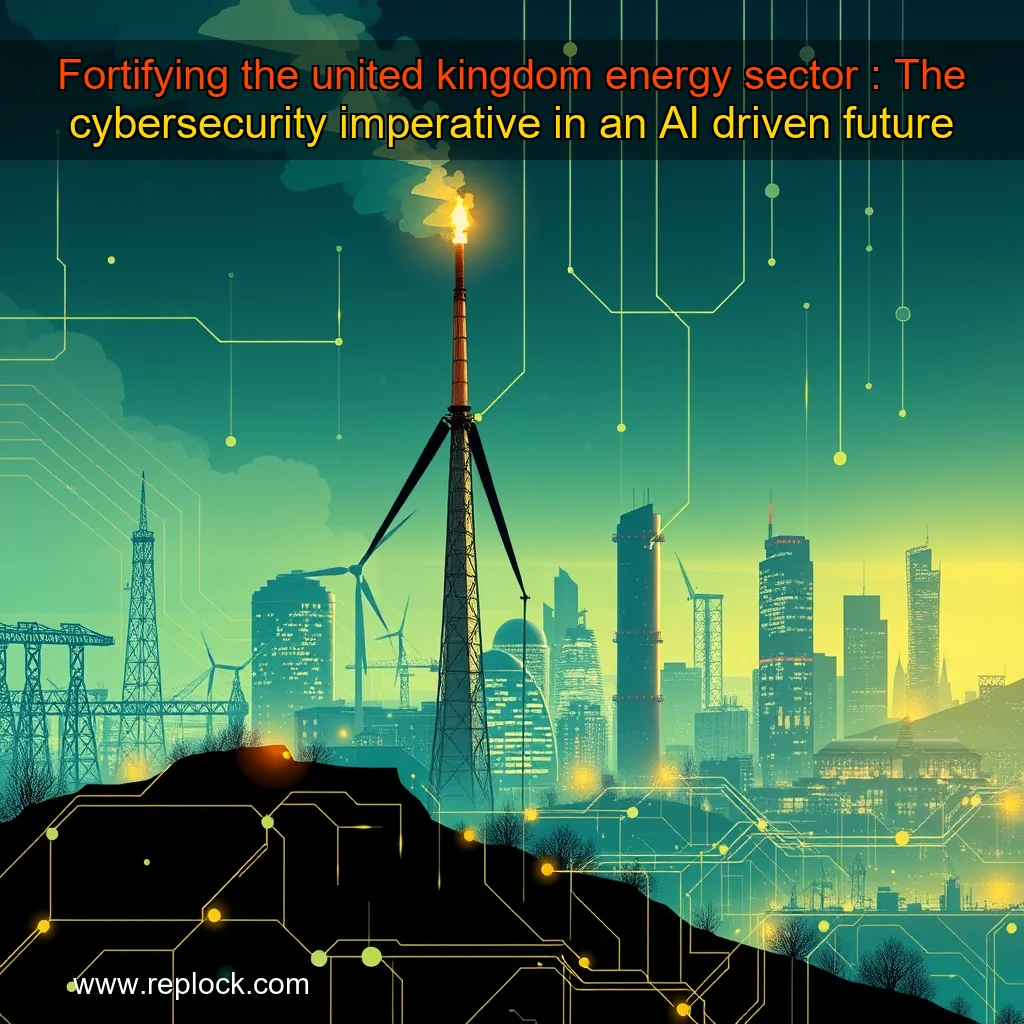
The threat of cyber attacks on the energy grid is a pressing concern, and the government is taking steps to address it.
The Growing Threat of Cyber Attacks on the Energy Grid
The energy grid is a complex system that relies on a multitude of interconnected components, making it a prime target for cyber attacks. The increasing reliance on digital technologies has created a vulnerability that can be exploited by malicious actors. The potential consequences of a successful cyber attack on the energy grid are severe, including widespread power outages, economic disruption, and even loss of life. Key vulnerabilities in the energy grid include: + Outdated infrastructure and equipment + Insufficient cybersecurity measures + Lack of standardization and interoperability + Increased connectivity and dependence on digital technologies
The Government’s Response to the Threat
The government is taking a multi-faceted approach to address the threat of cyber attacks on the energy grid.
In the energy sector, the average cost of a data breach is significantly higher than the global average. A study by IBM found that the global average cost of a data breach is $3.86 million. This highlights the importance of investing in robust cybersecurity measures to protect sensitive information.
The Energy Sector’s Cybersecurity Challenges
The energy sector is particularly vulnerable to cyber threats due to its critical infrastructure and interconnected systems. The following are some of the key challenges faced by the energy sector:
The Challenges of Securing OT Systems
Securing OT systems is a complex task that requires a deep understanding of the unique characteristics of these systems. OT systems are often proprietary, meaning they are custom-built for specific industries or applications, and are not designed with cybersecurity in mind. This makes it difficult for traditional cybersecurity approaches to be applied. OT systems are often isolated from the internet, reducing the risk of external attacks, but increasing the risk of internal threats. OT systems are typically controlled by human operators, who may not have the necessary training or expertise to identify and respond to security threats. OT systems often rely on legacy technology, which can be difficult to secure and may not have the same level of security features as modern systems.
The Need for Specialized Cybersecurity Approaches
Due to the unique characteristics of OT systems, traditional cybersecurity approaches are not effective in securing these systems. Instead, specialized cybersecurity approaches are needed to address the specific challenges posed by OT systems. OT systems require a different type of security approach that takes into account their proprietary nature and the need for human operators to be trained and educated on security best practices. OT systems require a more nuanced understanding of the risks and threats posed by these systems, including the potential for insider threats and the impact of human error. OT systems require a more tailored approach to security, one that is designed to address the specific needs and challenges of these systems.
The Role of SCADA and IoT in Securing OT Systems
SCADA and IoT systems play a critical role in securing OT systems. These systems provide a layer of security and monitoring that can help to identify and respond to security threats in real-time.
RaaS groups have made it easier for attackers to launch ransomware attacks without requiring extensive technical expertise.
The Rise of Ransomware-as-a-Service (RaaS) Groups
RaaS groups have become a major concern for the energy and utilities sector due to their ability to launch sophisticated ransomware attacks with minimal technical expertise.
Cyber threats lurk in the energy sector’s complex web of interconnected systems and data-intensive operations.
This makes it difficult to detect and respond to cyber threats in a timely manner.
Understanding the Risks
The energy sector is particularly vulnerable to cyber threats due to its complex and interconnected nature. The following factors contribute to this vulnerability:
The Cybersecurity Threat Landscape
The energy sector is facing a growing cybersecurity threat landscape, with increasing sophistication and frequency of attacks. Energy companies must prioritize cybersecurity to protect their operations, infrastructure, and reputation. The consequences of a successful attack can be severe, including financial losses, damage to equipment, and even loss of life.
Legacy Systems: A Vulnerability
Legacy systems, often inherited from previous generations, are not designed to withstand modern cyber threats. These systems may lack robust security features, making them an attractive target for hackers. Energy companies must address these legacy systems to prevent exploitation.
Key Measures to Address Legacy Systems
The Importance of Zero-Trust Security Frameworks
In today’s interconnected world, the risk of cyber threats is ever-present. As more devices and systems become connected to the internet, the potential for breaches and data loss increases exponentially. To mitigate these risks, organizations must adopt a zero-trust security framework. This approach requires continuous verification of all users and devices, ensuring that only authorized entities have access to sensitive information.
Benefits of Zero-Trust Security Frameworks
Challenges of Implementing Zero-Trust Security Frameworks
Implementing a zero-trust security framework can be complex and time-consuming. Organizations must:
The Resilience Imperative for Energy and Utility Providers
As the world grapples with the increasing frequency and severity of natural disasters, cyberattacks, and other disruptions, energy and utility providers must adapt to a new reality. The imperative to prioritize resilience has never been more pressing. In this article, we will explore the critical steps that energy and utility providers must take to bolster their resilience and ensure the continuity of essential services.
Understanding the Risks
Energy and utility providers face a multitude of risks that can have devastating consequences. Natural disasters, such as hurricanes and wildfires, can damage or destroy critical infrastructure. Cyberattacks can compromise the security of systems and disrupt operations. Additionally, regulatory non-compliance can result in significant fines and reputational damage. Key risks facing energy and utility providers: + Natural disasters (e.g., hurricanes, wildfires) + Cyberattacks (e.g., ransomware, data breaches) + Regulatory non-compliance + Supply chain disruptions
Building a Resilient Supply Chain
A resilient supply chain is critical to ensuring the continuity of essential services. Energy and utility providers must prioritize building a supply chain that can withstand disruptions. This includes:
Enhancing Cybersecurity
Cybersecurity is a critical component of a resilient energy and utility system. Providers must prioritize enhancing cybersecurity measures to protect against cyber threats.
The energy sector is a critical component of the country’s overall infrastructure, and its security is essential for the development and deployment of artificial intelligence (AI) technologies.
The Importance of Energy Security in the AI-Driven Future
A Critical Component of National Infrastructure
The energy sector is a vital component of the country’s overall infrastructure, and its security is essential for the development and deployment of AI technologies. The energy sector provides the power needed to support the functioning of AI systems, and its security is critical for ensuring the reliability and efficiency of these systems. The energy sector is a complex system that involves the generation, transmission, and distribution of electricity. The security of the energy sector is threatened by various factors, including cyber attacks, physical attacks, and natural disasters. The consequences of an energy sector attack can be severe, including disruptions to critical infrastructure, economic losses, and even loss of life.
The Role of Energy Security in Supporting AI Development
A Key Enabler of AI Innovation
Energy security plays a critical role in supporting the development and deployment of AI technologies. The energy sector is a key enabler of AI innovation, as it provides the power needed to support the functioning of AI systems. Energy security is critical for ensuring the reliability and efficiency of AI systems, which is essential for their development and deployment.

news is a contributor at RepLock.com. We are committed to providing well-researched, accurate, and valuable content to our readers.