The Importance of Digital Identity Management in Hospitality
In today’s digital age, the hospitality industry is facing numerous challenges, from managing customer data to ensuring the security of sensitive information. One crucial aspect that business owners often overlook is digital identity management. This is where Ololade Mafimidiwo, a seasoned Technical Product Manager, comes in.
These types of scams can be very convincing, and it’s easy to fall for them.
Types of Scams
Types of Scams Targeting Hotel Guests
Types of Scams Targeting Hotel Guests
There are several types of scams that target hotel guests.
Embedding cybersecurity into daily operations to prevent breaches and reduce risk.
Regularly review and update your security policies and procedures to ensure they remain relevant and effective.
Embedding Cybersecurity into Daily Operations
Cybersecurity is often viewed as a reactive measure, something that is only considered when a breach has occurred. However, this approach can be costly and damaging. Embedding cybersecurity into daily operations can help prevent breaches and reduce the risk of cyber attacks.
The Importance of SSL Encryption
SSL encryption is a crucial component of any online business. It ensures that all data transmitted between the customer’s browser and the website is encrypted, making it unreadable to hackers. This is especially important for online bookings, where sensitive information such as credit card numbers and personal details are involved. SSL encryption is not just a technical requirement, but also a customer expectation. Many customers will not book with a website that does not have SSL encryption. In fact, Google has made SSL encryption a ranking factor, with websites that do not have it being penalized in search engine results.
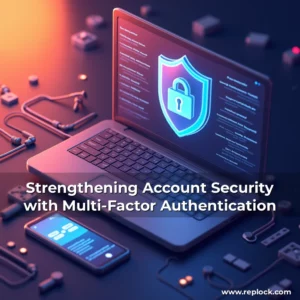
Implementing Multi-Factor Authentication
Multi-Factor Authentication (MFA) is a critical component of any cybersecurity strategy. It adds an extra layer of security to the login process, making it much harder for hackers to gain access to sensitive information. MFA can be implemented in a variety of ways, including SMS codes, biometric authentication, and one-time passwords.
This can be achieved through various methods such as QR codes, SMS, or email. Guests can also be given a physical token that they can use to make payments.
Biometric Authentication
How it Works
Biometric authentication uses unique physical or behavioral characteristics to identify individuals. In the context of hotels, this can include fingerprints, facial recognition, or iris scanning.
This can help prevent identity theft and ensure that guests are who they claim to be.
Introduction
The hotel industry is constantly evolving, with new technologies and innovations emerging to improve guest experiences and enhance operational efficiency. One such innovation is the use of Artificial Intelligence (AI) in hotel management. AI models can analyze patterns of behavior, identify trends, and make predictions, enabling hotels to make data-driven decisions.
Benefits of AI in Hotel Management
Here are some steps to take in the event of a cyber-attack:
Responding to a Cyber-Attack: A Step-by-Step Guide
Initial Response (Within the First Hour)
Containment and Eradication (Within the First 24 Hours)
Post-Incident Review and Remediation (After 24 Hours)

news is a contributor at RepLock.com. We are committed to providing well-researched, accurate, and valuable content to our readers.