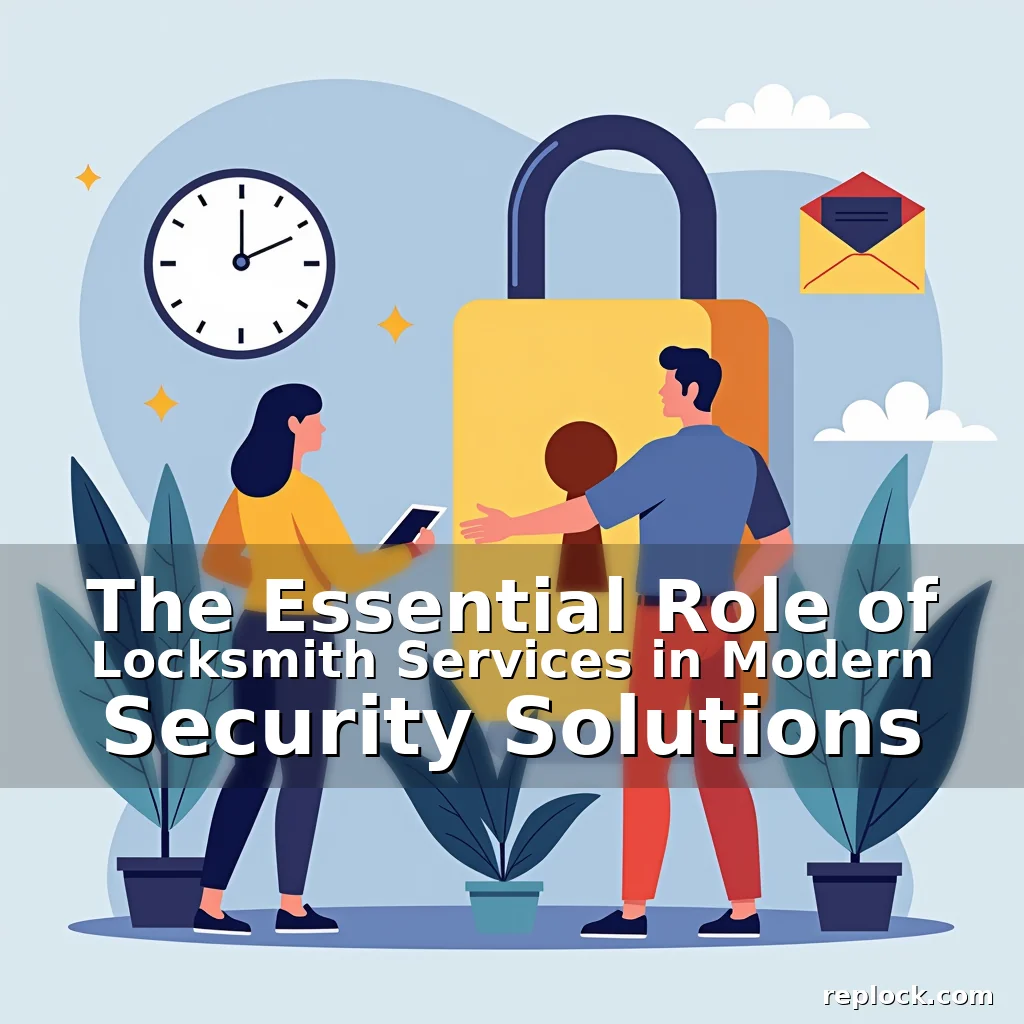
The Essential Role of Locksmith Services in Modern Security Solutions
In an era where security threats are constantly evolving, locksmith services remain a critical component of personal and commercial safety. From residential homes to corporate offices, professional locksmiths provide essential solutions that go beyond mere key duplication. Their expertise spans advanced lock systems, emergency access restoration, and tailored security consultations.
The modern locksmith industry has transformed significantly from its traditional roots. Today’s professionals utilize cutting-edge technology such as biometric authentication, smart locks, and digital key management systems. This evolution ensures that clients receive not only immediate assistance but also long-term protection against emerging vulnerabilities in security infrastructure.
Understanding Contemporary Locksmith Services
Modern locksmith services encompass a wide range of offerings designed to meet diverse security needs. These include everything from routine maintenance checks to high-tech installations. Certified technicians possess specialized knowledge in various locking mechanisms, ensuring optimal performance across different environments.
One notable advancement is the integration of mobile app connectivity within security systems. Many contemporary locksmith providers offer remote monitoring capabilities through smartphone applications. This feature allows users to control access points, receive real-time alerts, and manage permissions without physical presence at the location.
- Emergency Unlocking: Immediate assistance during lockouts, typically available 24/7 by reputable service providers
- Smart Home Integration: Compatibility with platforms like Apple HomeKit and Google Nest for seamless automation
- Commercial Security Systems: Installation and maintenance of enterprise-grade solutions including CCTV integration and access control panels
- Cybersecurity Measures: Protection against hacking attempts targeting connected devices through encrypted communication protocols
- Audit Trail Features: Detailed logging of access events for compliance purposes in regulated industries
These innovations reflect the industry’s commitment to adapting to technological advancements while maintaining core principles of physical security. As cyber threats continue to evolve, so too do the measures implemented by skilled professionals to safeguard both tangible assets and sensitive information.
The Evolution of Locksmith Technology
The history of locksmithing dates back thousands of years, yet recent decades have seen unprecedented innovation in security technologies. Traditional mechanical locks have given way to sophisticated electronic systems offering enhanced functionality and reliability. These changes necessitate ongoing education for practitioners to stay current with emerging trends.
Today’s professionals frequently encounter requests related to smart home ecosystems. This includes configuring locks that work seamlessly with voice assistants, setting up temporary access codes for service personnel, and integrating with other IoT devices. Such capabilities require technical proficiency beyond conventional locksmith skills.
Rise of Biometric Authentication
Biometric identification methods have gained significant traction in recent years due to their inherent security advantages. Fingerprint scanners, retinal scans, and facial recognition systems now complement traditional keys in many settings. According to industry reports, over 60% of new commercial buildings incorporate some form of biometric verification in their security architecture.
This shift toward biological identifiers presents unique challenges for locksmiths. Unlike standard lock cylinders, these systems often require calibration, firmware updates, and regular maintenance to ensure consistent operation. Technicians must also understand data privacy regulations governing the storage and use of biometric information.
Despite initial skepticism regarding reliability concerns, biometric systems demonstrate remarkable accuracy when properly maintained. Studies show false acceptance rates below 0.001%, making them highly effective for high-security applications ranging from government facilities to luxury residences.
As adoption increases, training programs for locksmiths increasingly emphasize biometric system installation and troubleshooting. Certification courses now cover topics such as sensor alignment techniques, encryption standards, and compatibility testing with existing infrastructure.
Specialized Areas Within Locksmith Services
Locksmith services can be categorized based on client type and application scope. Residential customers often seek assistance with basic lock replacements and rekeying procedures. In contrast, commercial clients may require complex security network implementations involving multiple access points.
High-security environments present distinct requirements compared to typical consumer scenarios. Financial institutions, data centers, and research laboratories demand multi-layered defense strategies incorporating both physical barriers and digital safeguards. Specialized locksmiths working in these sectors undergo rigorous training to handle sensitive operations.
- Residential Services: Emergency entry solutions, key replacement, door hardware repair, and smart lock installation
- Commercial Services: Access control system design, magnetic lock installation, time-based entry programming, and audit log analysis
- Automotive Locksmithing: Transponder key programming, ignition switch bypasses, and vehicle immobilizer resets
- Safety Deposit Box Assistance: Vault opening procedures, safe cracking techniques, and tamper-evident seal verification
- Historical Preservation: Restoration of antique locks, reproduction of obsolete key designs, and documentation of historical security practices
Each specialization requires unique skill sets and equipment. For instance, automotive locksmiths must maintain inventory of specialized tools used for chip key cloning and engine start simulation. Similarly, those working on historical structures need extensive knowledge of period-specific locking mechanisms and materials.
Vulnerabilities in Modern Security Systems
No security solution is entirely foolproof, and understanding potential weaknesses helps both consumers and professionals make informed decisions. Electronic locks, despite their convenience, can experience power failures or software glitches affecting operational integrity. Physical locks, although durable, might succumb to forced entry attempts using advanced tools.
Human factors contribute significantly to security breaches. Statistics reveal that approximately 80% of security incidents result from human error rather than technological failure. This underscores the importance of user education alongside robust physical defenses in any comprehensive security strategy.
Regular maintenance plays a crucial role in preventing unexpected failures. Scheduled inspections help identify wear patterns in lock components before they lead to malfunctions. Additionally, updating firmware for smart locks ensures continued protection against newly discovered exploits.
Professional assessments can uncover hidden vulnerabilities in existing setups. Skilled locksmiths conduct thorough evaluations considering environmental conditions, traffic flow patterns, and potential threat vectors specific to each property. Their recommendations often involve layered defense approaches combining different types of security measures.
Evaluating Professional Locksmith Credentials
Selecting a qualified locksmith service provider involves careful consideration of several factors. Reputable companies typically hold certifications from recognized organizations such as the Associated Lock-Sellers Association (ALSA) or the American Locksmith Association (ALOA). These credentials indicate adherence to established industry standards.
Experience level is another critical factor influencing service quality. While some local shops may handle simple tasks effectively, complex projects benefit from specialists with years of hands-on practice in niche areas. Client reviews and testimonials serve as practical indicators of past performance and customer satisfaction levels.
Licensing requirements vary by jurisdiction but generally mandate completion of formal training programs followed by passing examinations covering theoretical knowledge and practical skills. Some regions enforce periodic renewal processes to ensure continuous competence among practitioners.
Transparent pricing policies enhance trustworthiness. Ethical providers clearly outline costs upfront, avoiding surprise charges for additional services requested during visits. They also refrain from pressuring clients into unnecessary upgrades or premium packages.
Reliability is paramount, particularly in emergency situations requiring prompt intervention. A trustworthy company maintains round-the-clock availability with adequately trained staff ready to respond quickly regardless of time constraints.
Emerging Trends Shaping the Industry Future
The future of locksmith services will likely see increased integration with artificial intelligence and machine learning technologies. Predictive analytics could enable proactive maintenance scheduling by analyzing usage patterns and detecting early signs of component degradation. AI-driven surveillance systems might further enhance overall security effectiveness through intelligent threat detection algorithms.
Blockchain technology offers promising applications in secure credential management. Its decentralized nature provides tamper-proof records suitable for tracking key issuance histories or verifying access authorizations across distributed networks. However, widespread implementation would depend on developing standardized interfaces compatible with existing infrastructures.
Environmental sustainability initiatives are gaining prominence within the industry. Eco-friendly lock manufacturing processes reduce carbon footprints associated with production cycles. Recyclable materials in key blanks and energy-efficient motor designs in electric locks contribute to greener security solutions aligned with global climate goals.
Virtual reality training programs represent another innovative direction. Immersive simulations allow apprentices to gain hands-on experience safely before handling actual equipment. This approach accelerates skill development while minimizing risks associated with live practice sessions.
Collaboration between locksmith professionals and cybersecurity experts becomes increasingly vital as interconnected systems expand. Joint ventures focused on developing holistic security frameworks address both physical and digital aspects simultaneously, creating more resilient defense architectures against multifaceted threats.
Community Impact Through Responsible Locksmith Practices
Reputable locksmith businesses actively contribute to neighborhood safety by promoting preventive security measures. Educational workshops on home security fundamentals empower residents to implement cost-effective deterrents without requiring expensive upgrades. These efforts foster stronger community relationships built on shared responsibility for public welfare.
Maintaining ethical business practices strengthens trust between locksmiths and their clientele. Avoiding deceptive marketing tactics ensures transparency about service limitations and realistic expectations. Honesty regarding pricing structures prevents misunderstandings that could damage reputations within tight-knit communities.
Partnerships with law enforcement agencies create opportunities for collaborative crime prevention initiatives. Information sharing regarding suspicious activities observed during service calls enables quicker response times to potential criminal acts. These alliances reinforce mutual objectives aimed at enhancing collective safety standards.
Volunteer participation in local safety committees demonstrates a commitment to broader societal well-being. By contributing expertise to community improvement projects, locksmiths play active roles in shaping safer living environments for everyone involved.
Corporate social responsibility extends beyond direct service provision. Supporting charitable causes related to youth education or disaster relief showcases dedication to values extending beyond profit motives. These gestures cultivate goodwill that translates into sustained customer loyalty and positive brand perception.
Preparing for Emergencies with Comprehensive Planning
Proactive preparation minimizes disruptions caused by unforeseen circumstances. Developing contingency plans for lock-related emergencies ensures swift resolution without compromising security standards. Regular drills simulating common crisis scenarios build confidence in handling urgent situations efficiently.
Creating backup key storage locations proves invaluable when primary access methods become inaccessible. Secure deposit boxes at trusted financial institutions offer reliable alternatives to keeping spare keys at home or work premises vulnerable to theft. Digital backups stored securely online add redundancy layers against physical loss scenarios.
Designating emergency contact persons familiar with your security setup facilitates faster decision-making during crises. Providing clear instructions on accessing secured spaces enhances response efficiency without exposing sensitive information unnecessarily.
Reviewing insurance coverage related to security systems guarantees adequate compensation in case of damages resulting from break-ins or natural disasters. Understanding policy specifics avoids surprises when filing claims following unexpected incidents.
Conclusion
Locksmith services constitute a vital aspect of modern security landscapes, continuously adapting to technological progress while preserving foundational protective functions. Professionals in this field bridge gaps between analog traditions and digital realities, offering solutions that cater to both everyday necessities and high-stakes security demands.
By staying informed about emerging trends and prioritizing responsible practices, individuals and organizations can maximize benefits derived from expert locksmith support. Whether addressing immediate access issues or implementing long-term security strategies, consulting certified professionals remains an investment in peace of mind and asset protection.