Understanding the NIST Cybersecurity Framework
The NIST Cybersecurity Framework is a widely adopted and respected resource for businesses seeking to enhance their cybersecurity posture. Developed by the National Institute of Standards and Technology (NIST), this framework provides a structured approach to managing and reducing cybersecurity risk. The framework is based on five core functions:
Implementing MFA can help organizations protect their sensitive data and prevent costly breaches.
The Importance of Multi-Factor Authentication in Cybersecurity
Understanding the Risks of Weak Passwords
Weak passwords are a significant vulnerability in cybersecurity. They can be easily guessed or cracked by hackers, allowing unauthorized access to sensitive data. In fact, a study by the Ponemon Institute found that 63% of data breaches involve weak or default passwords.
The Importance of Multi-Factor Authentication (MFA) in Preventing Botnet Attacks
Understanding the Risks of Botnet Attacks
Botnet attacks have become a significant concern for organizations and individuals alike. These attacks involve a network of compromised devices, often controlled remotely by malicious actors, which are used to launch targeted attacks on unsuspecting victims. The primary goal of these attacks is to steal sensitive information, disrupt operations, or spread malware. Botnet attacks can be launched using various tactics, including phishing, drive-by downloads, and exploit kits. These attacks often rely on stolen or weak passwords, which can be easily compromised by attackers. The use of botnets has become increasingly sophisticated, with attackers using advanced techniques such as encryption and secure communication channels.
The Role of Multi-Factor Authentication (MFA) in Preventing Botnet Attacks
Multi-factor authentication (MFA) plays a crucial role in preventing botnet attacks. MFA ensures that even if a password is compromised, an additional authentication step is required.
Use a reputable firewall to block malicious traffic. Use a reputable intrusion detection and prevention system (IDPS) to monitor and block suspicious activity. Use a reputable VPN to encrypt and secure internet traffic. Use a reputable DNS service to secure internet traffic and prevent DNS spoofing. Use a reputable email client to secure email communications. Use a reputable password manager to securely store and generate passwords. Use a reputable two-factor authentication (2FA) solution to add an extra layer of security to your accounts. Use a reputable security information and event management (SIEM) system to monitor and analyze security-related data. Use a reputable incident response plan to respond to security incidents. Use a reputable security awareness training program to educate employees on security best practices. Use a reputable security audit and compliance tool to ensure your organization’s security posture is up-to-date and compliant with industry standards.
Best Practices for Cybersecurity in the Modern Era
Understanding the Importance of Cybersecurity
Cybersecurity is no longer a luxury, but a necessity in today’s digital age. With the increasing number of cyber threats and attacks, it’s essential to take proactive measures to protect your organization’s sensitive data and systems. In this article, we’ll explore the best practices for cybersecurity in the modern era, including the importance of keeping operating systems and software updated, using advanced endpoint protection, and implementing robust security measures.
Keeping Operating Systems and Software Updated
Keeping your operating systems and software up-to-date is crucial in preventing cyber attacks. Outdated systems and software can leave your organization vulnerable to known vulnerabilities, which can be exploited by hackers. Here are some reasons why keeping your systems and software updated is essential:
The Challenges of Cybersecurity in Industrial and Manufacturing Environments
Cybersecurity in industrial and manufacturing environments is a pressing concern due to the increasing reliance on technology in these sectors. The use of industrial control systems (ICS) and supervisory control and data acquisition (SCADA) systems has become widespread, but these systems are often outdated and lack the security features of modern software. This creates a vulnerability that can be exploited by malicious actors.
The Risks of Outdated Hardware
The Need for a Virtual Air Gap
To address the challenges of cybersecurity in industrial and manufacturing environments, a virtual air gap can be created using a next-generation firewall.
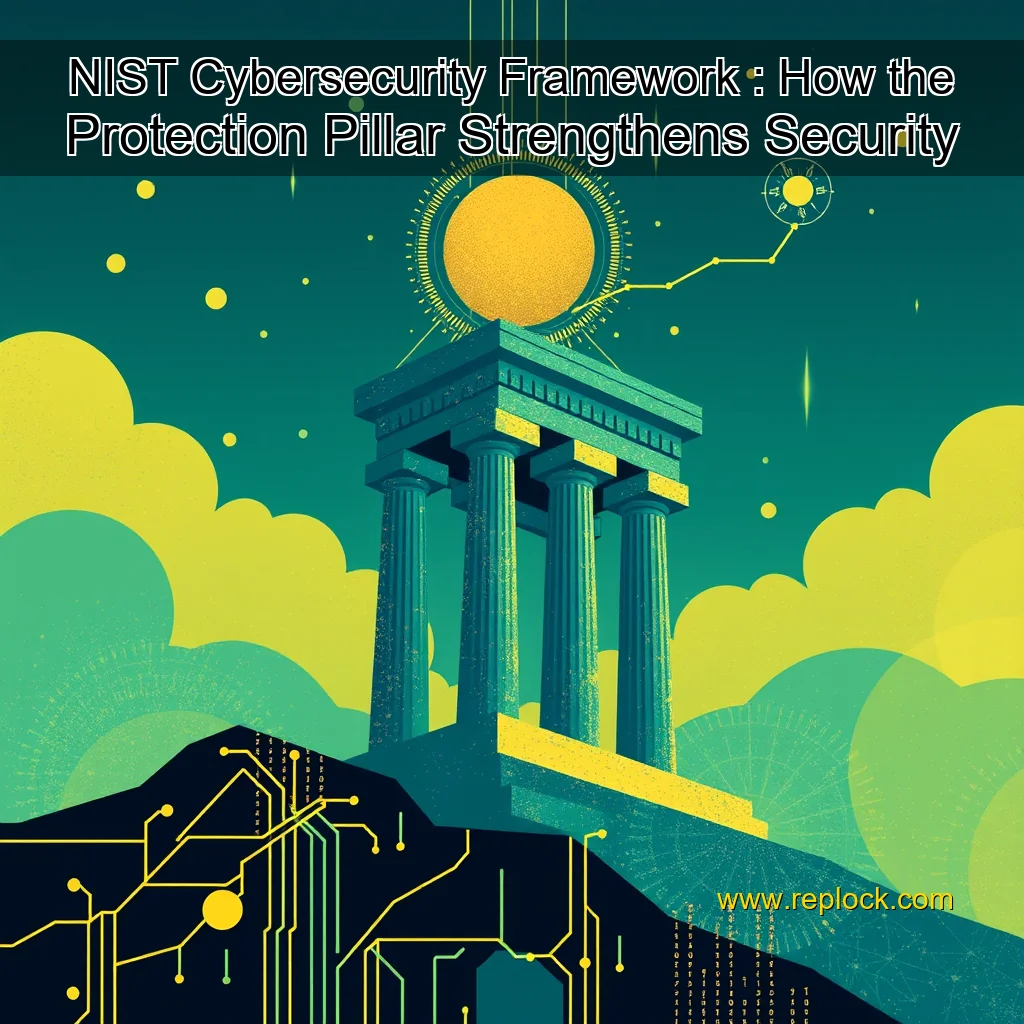
In this article, we will explore the importance of the Protect pillar and how it can benefit organizations.
Understanding the Protect Pillar
The Protect pillar of the NIST Cybersecurity Framework is designed to protect an organization’s assets from cyber threats. This pillar focuses on implementing and maintaining robust security controls to prevent, detect, and respond to cyber attacks. The Protect pillar is composed of five categories, each addressing a specific aspect of an organization’s cybersecurity posture.
Categories of the Protect Pillar
Benefits of Implementing the Protect Pillar
Implementing the Protect pillar can bring numerous benefits to organizations, including:
A Seasoned Cybersecurity Expert: Bringing Expertise to the Forefront
As the cybersecurity landscape continues to evolve at an unprecedented rate, the need for skilled professionals who can navigate this complex terrain has never been more pressing. One such expert is [Name], a seasoned cybersecurity professional with a wealth of experience in designing and deploying sophisticated security systems, securing sensitive data, and protecting critical infrastructure.
A Comprehensive Range of Services
[Name]’s areas of expertise encompass a broad spectrum of critical cybersecurity services, including:
These services are designed to provide organizations with a robust defense against a wide range of cyber threats, from malware and ransomware to advanced persistent threats and nation-state attacks.
Expert Guidance and Support
One of the key strengths of [Name]’s approach is the emphasis on expert guidance and support. By providing organizations with personalized guidance on cybersecurity best practices, [Name] helps them to identify and address potential vulnerabilities before they can be exploited by attackers. For example, [Name] has worked with a major financial institution to implement a comprehensive cybersecurity program that includes regular security assessments, penetration testing, and incident response planning.