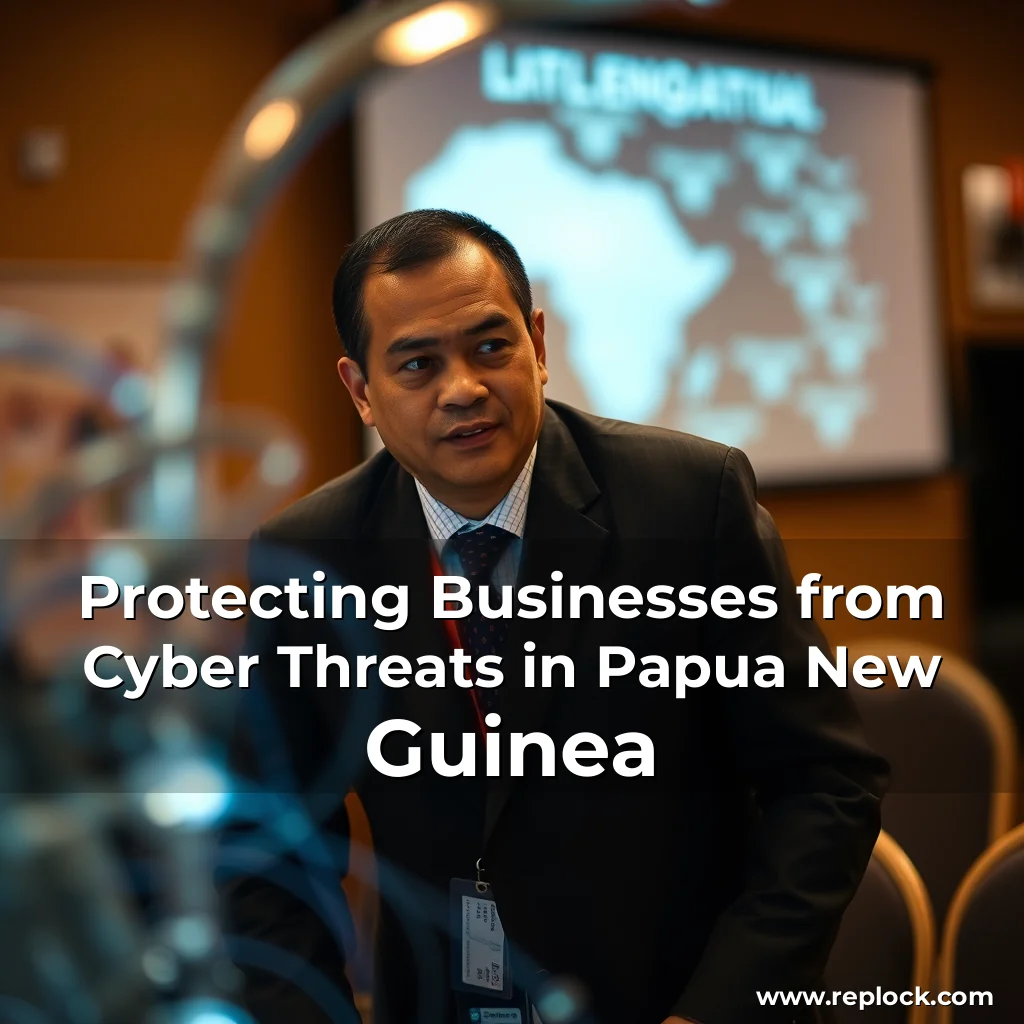
Cybersecurity is a vital business survival issue in Papua New Guinea (PNG). With the rise of digital technologies, businesses are handling more sensitive customer and financial data than ever before, making them easy targets for cybercriminals. The lack of strong security measures in many PNG businesses puts them at risk of financial loss, damage to customer trust, and legal consequences. Phishing attacks, ransomware, data breaches, insider threats, and weak passwords and unprotected systems are the biggest cyber threats to businesses in PNG. Phishing attacks involve sending fake emails or messages that trick employees into sharing login details or financial information. Ransomware attacks lock a company’s files until a ransom is paid, often with no guarantee of data recovery. Data breaches expose customer information, while insider threats can come from employees or former staff. Weak passwords and unprotected systems make it easy for hackers to break into company accounts. To protect themselves, PNG businesses need to take proactive measures. The first step is to train employees on cybersecurity awareness and education. This involves educating staff on how to spot phishing emails, fake websites, and suspicious attachments. Conducting regular cybersecurity awareness training can help prevent cyberattacks. Another crucial aspect is using strong passwords and multi-factor authentication. This includes requiring strong, unique passwords and enabling multi-factor authentication, which requires an extra verification step before logging in. Regularly updating antivirus software, operating systems, and security patches can also help prevent vulnerabilities. Back uping important business data is also essential. This involves storing backups in a secure location, such as external hard drives or cloud storage, and testing them regularly to ensure they can be restored in case of a cyberattack. Controlling employee access to sensitive information is also critical. Limiting access to financial records or customer data to specific job roles can reduce insider threats. Secure business emails and communications are also vital. This involves using official company email accounts and verifying requests by phone first. Finally, developing a cybersecurity policy is essential. This involves creating a clear IT security policy for employees, outlining safe online practices, and establishing a cyber incident response plan. This plan should outline what to do if the business is hacked and how to respond to cyberattacks. If your business is hacked, disconnect affected devices from the internet to prevent further damage. Report the attack to your IT team, bank, or a cybersecurity expert. Notify affected customers if their data has been leaked to build trust and comply with regulations. Investigate the breach to understand how it happened and strengthen security. Avoid paying ransoms, as there is no guarantee of data recovery. Cybersecurity is good for business. Protecting customer trust is essential, as a single breach can destroy years of trust. Preventing financial losses is also critical, as cyberattacks can cost businesses millions in recovery expenses, legal fees, and lost revenue. Ensuring business continuity is also vital, as a secure business can operate smoothly without disruption from hackers. In conclusion, cybercrime is a real and growing threat in PNG. Businesses that fail to take cybersecurity seriously risk losing money, data, and customer trust. By taking proactive measures, PNG businesses can protect themselves from cyber threats and ensure their survival in the digital age.
| Key Points |
|---|
| Train employees on cybersecurity awareness and education. |
| Use strong passwords and multi-factor authentication. |
| Back up important business data regularly. |
| Control employee access to sensitive information. |
| Secure business emails and communications. |
| Develop a cybersecurity policy. |
Real-Life Examples of Cyberattacks in PNG
Phishing attacks are becoming increasingly common in PNG. For example, an employee received an email that looked like it was from their bank, asking them to “verify” their account by clicking a link. If they did, hackers stole their login details. Ransomware attacks have also been reported. A PNG business lost access to all its customer records after an employee opened an infected email attachment. Hackers demanded payment in cryptocurrency to unlock the files. Data breaches have also occurred. A retail store’s unsecured database was hacked, exposing customers’ credit card information. Insider threats have also been a problem. A disgruntled employee shared confidential business files with a competitor before leaving the company. Weak passwords and unprotected systems have also been exploited. A business used “password123” for all its accounts, making it easy for hackers to gain access.
Conclusion
Cybercrime is a growing threat in PNG, and businesses must take cybersecurity seriously to protect themselves.