A New Era of Digital Identity in Scotland: Is It a Threat to Security and Privacy?
**Digital Identity Systems: A Concern for Security and Privacy**
Scotland is on the cusp of introducing a new digital identity system, dubbed ScotAccount, which aims to provide a single, centralized form of identification for citizens. This system, originally called Digital Identity Scotland, has the potential to revolutionize the way public services are accessed, but it also raises concerns about the potential threat to security and privacy.
**The Ambition of ScotAccount**
The primary goal of ScotAccount is to create a common public-sector approach to online identity assurance, which can be applied across multiple public services. This would enable individuals to create a digital identity, which can then be used and reused for secure access to personalized public services. The ambition is to make it easier for people to prove who they are when accessing public services, potentially including everything from travel to health, taxes to benefits.
**How ScotAccount Works**
The system allows users to create an account using their email address and password, with security codes sent through text messages or a telephone landline. They then submit a live picture of themselves as well as scans of their passport, driving license, or biometric residence permit. The system uses a third-party credential provider, such as data and credit-checking firm Experian, to verify the user’s identity.
**Concerns and Criticisms**
However, campaigners and experts are raising concerns about the potential risks of ScotAccount. Madeleine Stone of Big Brother Watch, a UK-wide campaigning group, warned that digital identity systems are a “honeypot for criminals and hackers.” She also expressed fears that the system could be used to build huge population-wide datasets and share personal information between government departments.
- These concerns are not unfounded, as the system has already been piloted for a handful of services provided by public bodies, including criminal record checks, witness appearances in court, licenses to sell tobacco and vapes, funeral registrations, and debt management.
- The pilot projects have shown that the system can be vulnerable to hacking and identity theft.
- Big Brother Watch is also concerned that the system could become mandatory by default, disadvantaging millions of people who rely on physical documents and letters.
**The Orwellian Concerns**
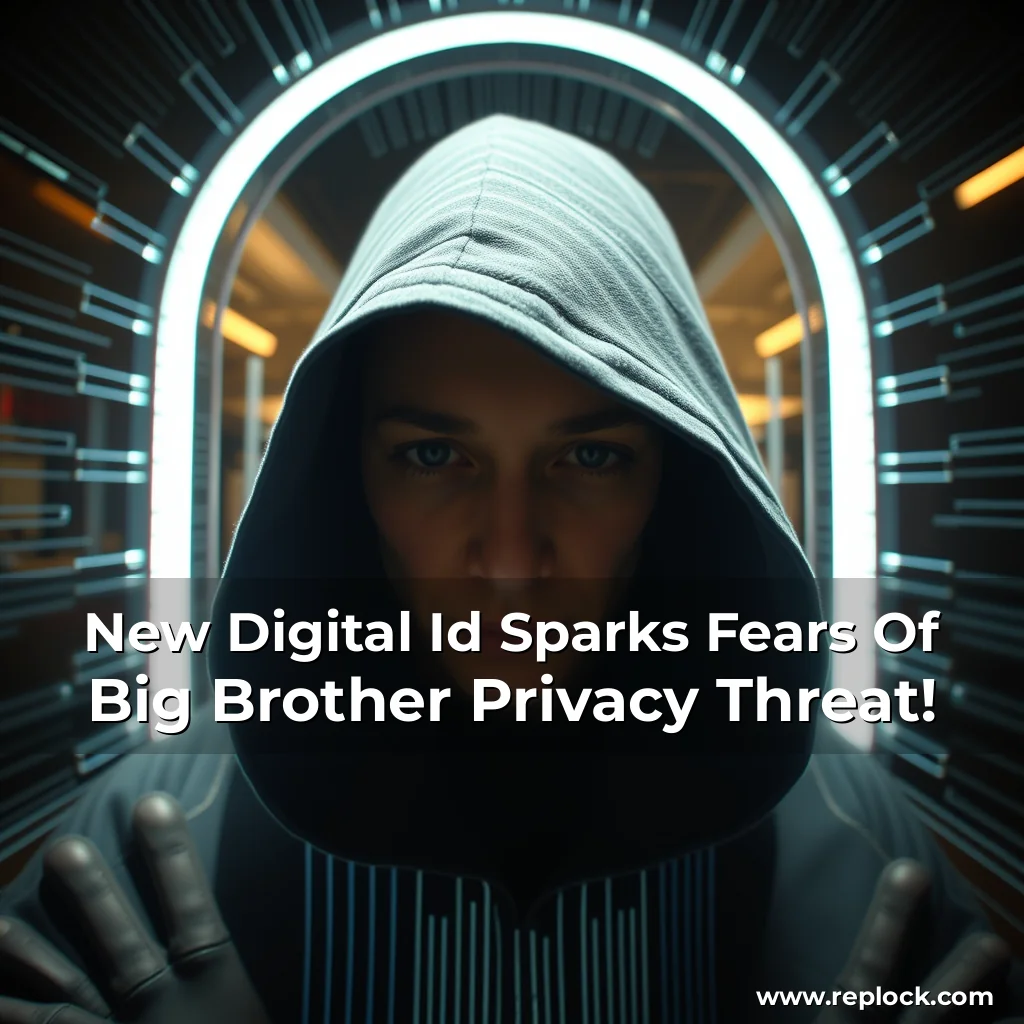
The term “Big Brother” was coined by George Orwell in his novel 1984, to describe the all-seeing leader. The Scottish Government’s plan to introduce a digital identity system raises concerns about the potential for a “Big Brother” system, where the government has access to vast amounts of personal data and can share it between departments.
“Digital identity systems are a honeypot for criminals and hackers. These plans could give the Scottish government free rein to build huge population-wide-datasets and to share the personal information of millions of users between government departments.”
**Technical Details**
The system is being developed by a firm called Scott Logic, based in Newcastle, and is expected to be launched in the coming months. The firm describes the system as “user-centred, highly secure and resilient, and built to the highest standards.” However, experts are warning that even with robust encryption and authentication protocols, the system is still vulnerable to hacking and identity theft.
**Expert Opinions**
Former prime minister Tony Blair and former Tory leader William Hague were both met with fierce opposition when they previously called for mandatory digital ID cards across the UK. However, the current Labour government is introducing new technology later this year, which campaigners fear could lead to mandatory digital ID. Tech experts are warning that digital ID is open to abuse, with cyber-security firm Setigo saying, “We already see scammers can take thousands of pounds from bank accounts when people are socially engineered to login and transfer funds or to provide passwords and PINs to online bank accounts. If trusted digital identities such as driver’s licenses and passports are subject to the same kind of attacks, the results could be worse and more long-lasting.”
**Conclusion**
In conclusion, the introduction of ScotAccount raises concerns about the potential threat to security and privacy. While the system has the potential to revolutionize the way public services are accessed, it also raises questions about the potential risks of hacking and identity theft. As the system is rolled out, it is essential to ensure that precautions are in place to protect users’ data and prevent potential misuse.
| Table 1: Potential Risks of ScotAccount | ||
|---|---|---|
| Identity theft and hacking | Sharing personal information between government departments | Potential for a “Big Brother” system |
**A Call to Action**
The Scottish Government must take steps to ensure that the system is designed and implemented with the utmost care, prioritizing users’ security and privacy. The public must also be vigilant and aware of the potential risks of ScotAccount. By working together, we can ensure that this system is a success and does not pose a threat to our security and privacy.