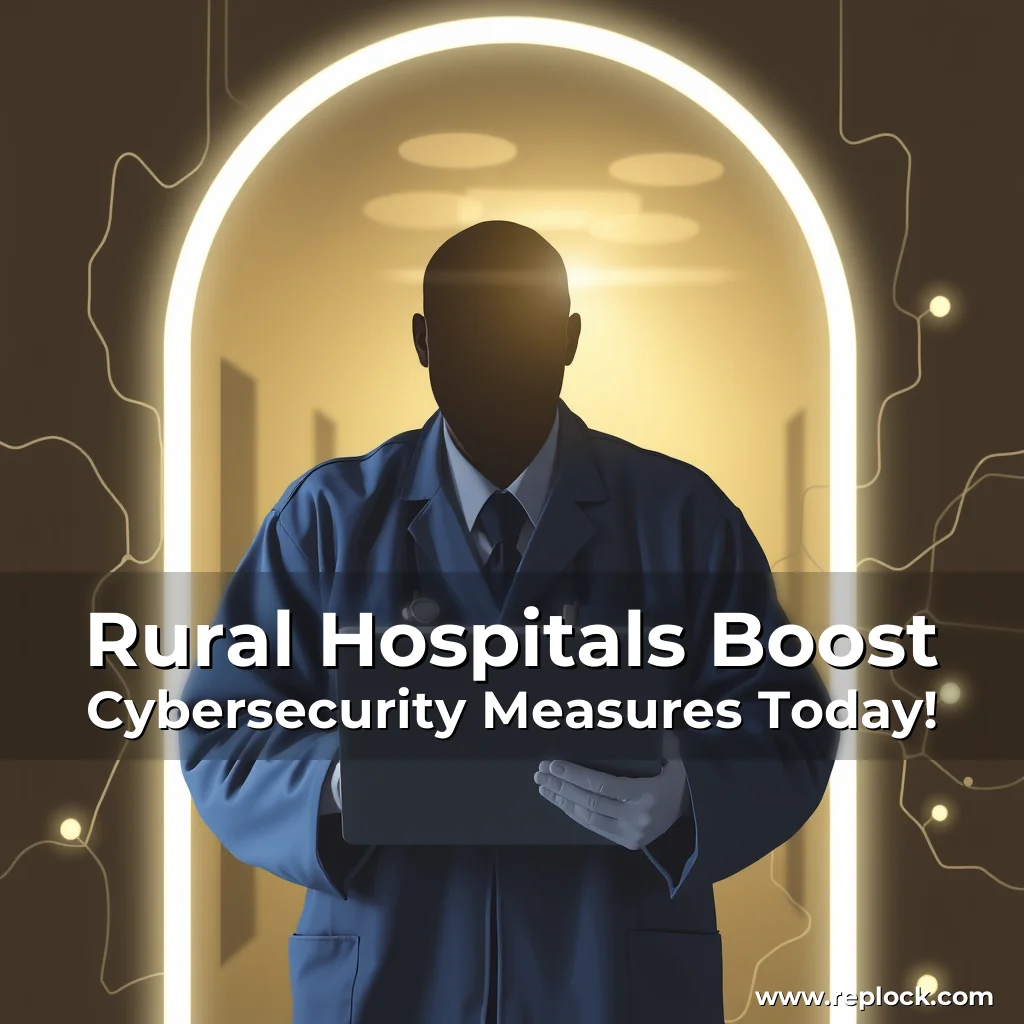
Small and rural hospitals face big challenges on many fronts, and improving their cybersecurity is of particular concern. These understaffed and under-resourced facilities face cost pressures that prevent the sort of spending that would keep pace with the threat.
The Need for Zero Trust in Healthcare
In the healthcare sector, the threat landscape has evolved significantly over the past decade. The COVID-19 pandemic has accelerated the adoption of digital technologies, leading to increased connectivity and interdependence among healthcare systems.
Lack of training and support for IT staff. Inadequate IT infrastructure and equipment.
The Geographic Isolation Factor
Rural and small hospitals often face significant challenges in recruiting and retaining IT talents due to their geographical location. The lack of access to major cities and metropolitan areas means that qualified IT professionals may not be readily available in these areas. This can lead to a shortage of skilled IT staff, making it difficult for these hospitals to provide adequate IT services to their patients. • Limited job opportunities and lower salaries in rural areas can also deter IT professionals from relocating to these areas.
Benefits of Zero Trust
The Zero Trust security framework is a highly effective approach to securing an organization’s network and systems. It is based on the principle that no trust, always verify and that all users and devices must be authenticated and authorized before being granted access to the network. • This approach is beneficial for several reasons:
Implementing the Zero Trust security framework requires a thorough understanding of the organization’s security needs and a well-planned implementation strategy.
Employees, contractors, and partners can all play a role in protecting the organization’s digital assets.
The Role of People in Cybersecurity
People within the organization are what help prevent cybersecurity attacks.
Identity and Access Management
Identity and access management is a critical component of the Zero Trust strategy for healthcare organizations. It involves verifying the identity of users and devices before granting access to sensitive data and systems. • This process includes multi-factor authentication, which requires users to provide two or more forms of verification, such as a password and a fingerprint scan. • It also involves implementing role-based access controls, which grant access to specific resources based on a user’s job function or department. • Additionally, healthcare organizations can use artificial intelligence and machine learning to analyze user behavior and detect potential security threats.
Further details on this topic will be provided shortly.